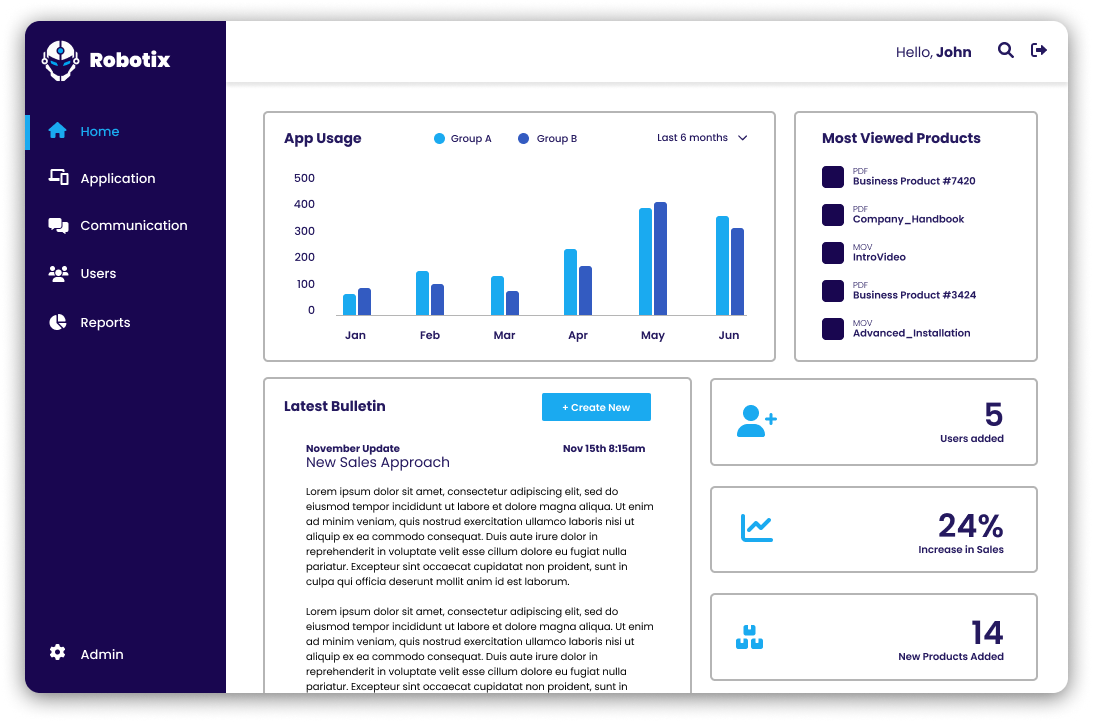
StorySlab needed a more flexible, intuitive way for administrators to manage increasingly complex content, users, and permissions. I helped rethink the CMS from the ground up, creating a clearer system that could scale with growing enterprise needs without making everyday tasks harder to use.
As StorySlab grew, so did the complexity behind the product. Different customers needed different content structures, user groups, permissions, and workflows, which made the CMS increasingly difficult to navigate and manage.
To better understand where that complexity was creating problems, I worked closely with the team to look at the CMS from several angles:
What became clear was that administrators weren't struggling because the CMS lacked capability. They were struggling because that capability had accumulated without a strong system tying everything together. The challenge became less about adding features and more about creating a structure that could make an increasingly powerful product easier to understand and manage.
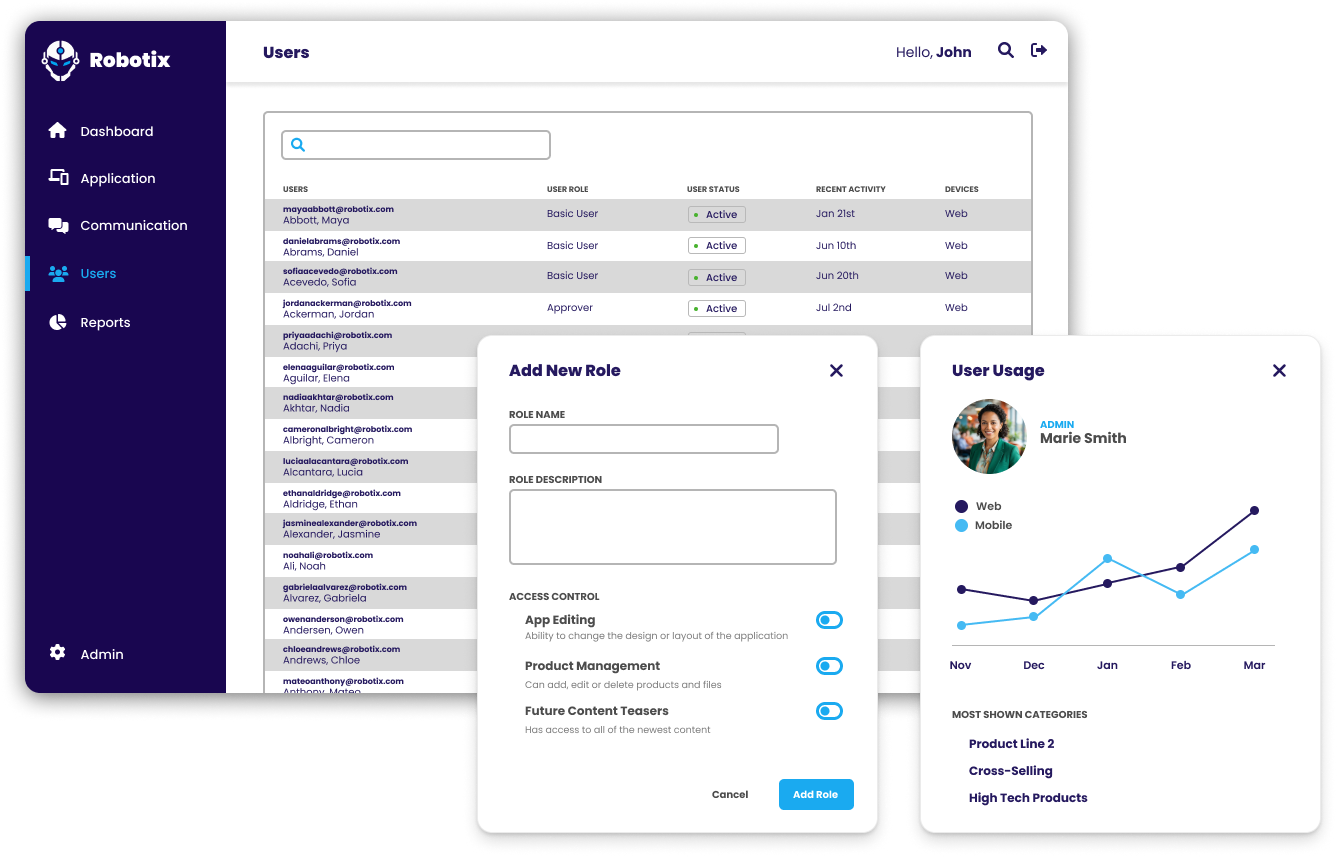
By designing the CMS as a flexible system of reusable patterns, new capabilities could be introduced without reinventing the experience each time. That made it easier to support emerging features like interactive 3D content and future AI-powered workflows while keeping the product consistent and easy to navigate.
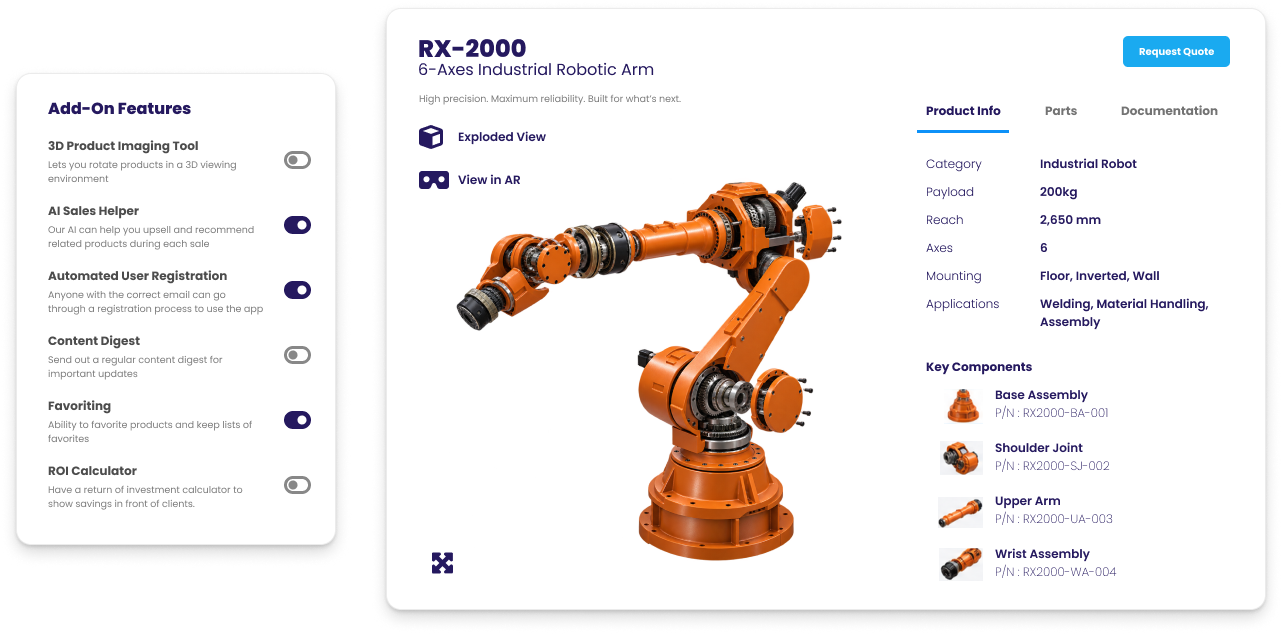
As the lead designer on the CMS redesign, I worked across product structure, interaction design, and visual design to turn a growing collection of administrative tools into a more cohesive system.
The redesign did more than modernize the interface. It gave StorySlab a stronger foundation for supporting increasingly complex customer needs without adding the same level of complexity for administrators.
One of the biggest lessons from the project was that simplifying enterprise software doesn’t always mean removing functionality.
StorySlab’s customers genuinely needed complex controls, configurations, and permissions. The challenge was deciding when that complexity needed to be visible and when the system could handle it in the background.
That distinction became an important part of how I approach B2B product design: powerful software can still feel approachable when users are given the right information at the right moment.